Black-tailed godwits, Leighton Moss

Tuesday, 7 May 2024

Little Woolden Moss

Hobby

Much to my surprise it was a fine bank holiday Monday. I thought I'd best head somewhere fairly quiet so I got the train to Glazebrook and walked up to Little Woolden Moss.

Glazebrook Lane was filled with birdsong: robins, wrens, blackbirds and chaffinches, whitethroats, greenfinches and goldfinches. I'd kept hearing chiffchaffs calling but the first singing bird was in a tree by the junction with Woolden Road. Pairs of stock doves flew by, three mallards flew around a field of sheep and a cormorant flew overhead heading South.

Canada geese, Little Woolden Hall

I walked down Holcroft Lane over the motorway and joined the lane heading down to Little Woolden Hall. Canada geese grazed with the horses, there was but the one pied wagtail flitting about and I worried about the lack of swallows over the fields by the river and sand martins over the river. A tufted duck drifted downstream in the company of mallards and a pair of gadwalls dozed on the bank.

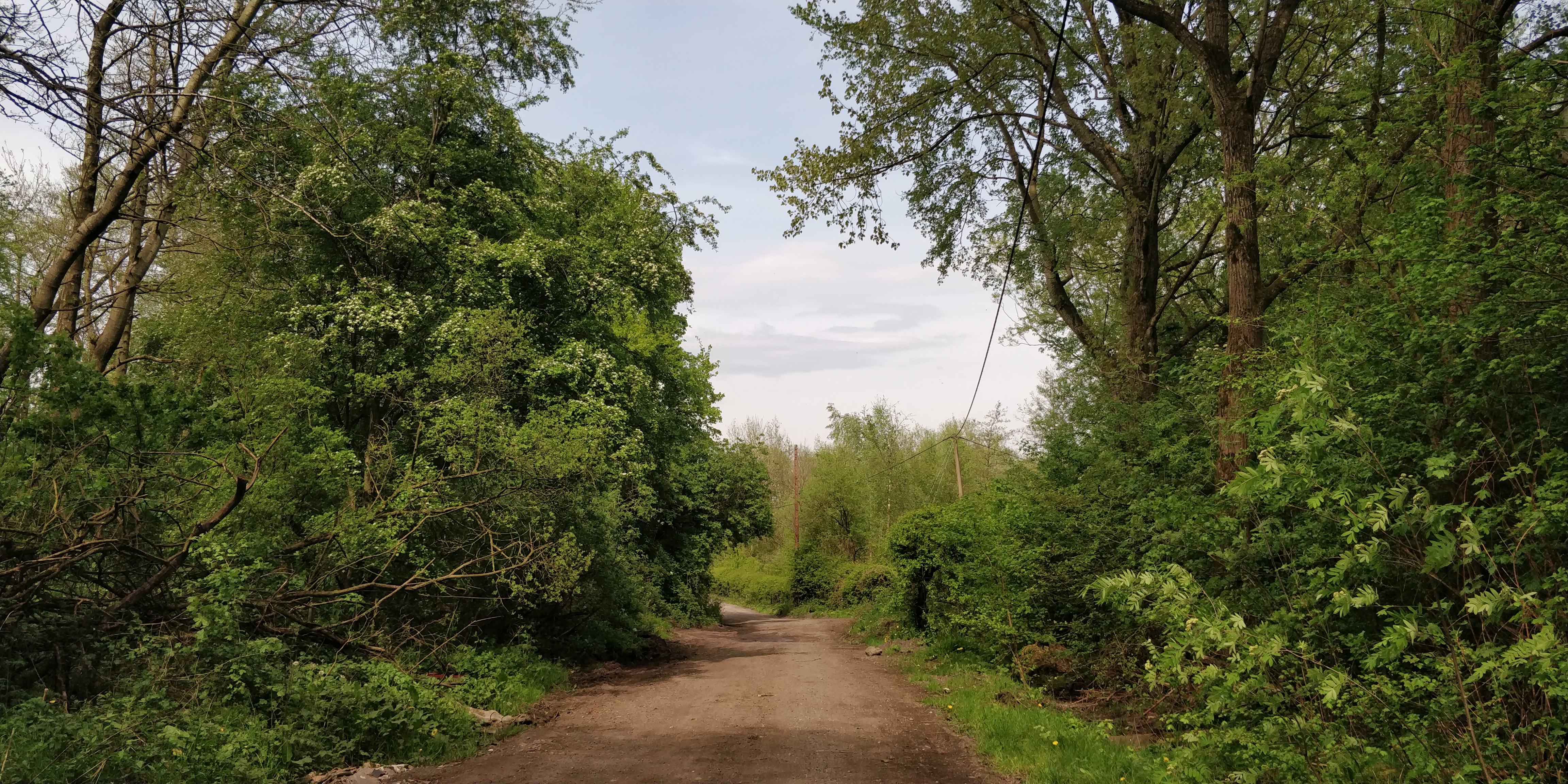
Little Woolden Moss, walking from the hall

I was cheered up a bit to find half a dozen swallows flying over the rapeseed field by the stables, a couple of them flitting in to inspect the old nests. Blackbirds and meadow pipits fussed about in the fields and I thought I heard a yellow wagtail but had no luck finding one. Which is not really a surprise in fields full of knee-high acid yellow rape. Yellow wagtails hug the ground a lot, it's generally only when they take flight you get to spot them and they're quick to disappear. In many ways they're more like pipits than wagtails.

I let on to a couple of passing birders and compared notes with another (hi Steve!). He'd seen a wheatear and a yellow wagtail and had good views of a hobby. I had a bit of a moan about not seeing a single raptor all the way from Glazebrook, which is very unusual. That would change.

Large red damselfly 

A bright, sunny lunchtime had brought out the butterflies, a few large whites joining the orange tips and peacocks. Walking down the path along the Western margin of the reserve large red damselflies kept zipping through the undergrowth. Large red damselflies are tiny and thin, about half the size of a common blue damselfly, at first when I was just seeing movements in the distance I wasn't sure if they were damselflies at all.

Along the Western margin of the reserve

Little Woolden Moss was in one of its generous moods. As I turned the corner a buzzard floated over the trees and drifted off over the fields. There was an abundance of singing willow warblers. A few whitethroats, robins, chiffchaffs and reed buntings provided backing vocals but were heavily outnumbered.

Little Woolden Moss 

When I got sight of pools they were mostly deserted though a couple had gadwalls or coots mooching about on them. I'd been hearing curlews, it was nice to see them out in the open feeding between distant patches of cotton grass. The lapwings to the North of the reserve were up and down a lot, chasing off carrion crows and the female marsh harrier. They didn't seem unduly fussed by a kestrel.

Hobby

I was settling down to a nice walk with a cooling breeze and the air full of birdsong. I was thinking it would be nice to see a hobby but it's probably been and gone for the day, there weren't enough large red damselflies about for a decent meal, when the hobby streaked over the trees. It circled the open ground a couple of times before flying back over the trees. Over the next quarter of an hour it divided its time between hunting over the fields and over the reserve and I got cracking views as it flew low overhead.

Hobby

Walking along the Southern margin of the reserve 

Approaching the Eastern pools I started to see — and hear — black-headed gulls and Canada geese. A few mallards drifted about, one duck had a tidy batch of young ducklings with her. The male shoveler dozed by a bund and a couple of pairs of gadwalls lurked by the banks.

Mallard and ducklings 

One of the gadwalls gave a sharp quack and the mallard escorted her ducklings into the reeds. The reason became apparent when the marsh harrier drifted low over the pool and did a couple of circles before drifting over the trees and over the fields.

Female marsh harrier 

Little Woolden Moss 

Common terns and black-headed gulls 

A couple of common terns flew in for a wash and brush-up, settling on piers to preen.

The Eastern pool

As I walked along the harrier drifted back, to the indifference of everything except a couple of lapwings, before heading North to the farms beyond. I glanced back at the pool and spotted another tern dancing low over the reeds. It looked quite dark and short-tailed but I couldn't get a good enough look at it before some birch scrub obscured my view. By the time I got to a place where I could see where it had been the tern had gone. I recorded it in my notebook as probably a common tern coloured by backlighting and wishful thinking on my part. It wasn't a waste of time, though, I found my first little ringed plover of the year dozing on one of the bunds by the reeds. I'm not sure this isn't my latest first sighting of this species.

Hare's tail cotton grass gone to seed

Linnets, meadow pipits and reed buntings skittered about in the cotton grass. More willow warblers sang, accompanied by chiffchaffs and robins. It was a very agreeable walk.

Little Woolden Moss from the path on the Northern margin

I drifted Northwards, thinking I'd have a look for lapwing chicks and yellow wagtails in the barley fields before heading back and off to Irlam. Meadow pipits performed their parachute songs before disappearing into the cotton grass. There was an almighty kerfuffle as a dozen lapwings beat up three carrion crows and chased them off the fields but not before one of the crows had snatched a chick.

Lapwing chicks

The barley field was dazzling in the bright light, the combination of rows of vertical short, bright green shoots set against black soil became hard on the eyes — scanning the field with my binoculars was like looking at the interference on an old and failing computer monitor (the fatal hint that your Amstrad word processor was about to die). The lapwings and their chick could be picked out readily enough by their white bellies. The meadow pipits and the half a dozen yellow wagtails in there were harder work.

Lapwings and yellow wagtail in a dazzle camouflage background 

Female yellow wagtail

Meadow pipit

I carried on walking. Evidently I'd decided to walk into Glazebury without telling myself. Skylarks sang above the fields. The next barley field had been sown a couple of weeks earlier and was shin-high, plenty tall enough to hide the wagtails and pipits I could hear in there. A wagtail flew across the path and into this field, the reconnoitring circle it flew before disappearing into the barley being just long enough for me to catch the lavender grey head and white throat and confirm it as the male Channel wagtail that's often seen here. A Channel wagtail is a cross between a blue-headed wagtail (the continental subspecies of yellow wagtail) and "our" yellow wagtail. There's been one here for the past few years though I had no luck last year. I don't know if it's the same bird throughout or one of its progeny carrying on the baton.

A yellowhammer and a whitethroat singing in the same tree was a joy to see and hear.

Grey partridge, Moss Lane

I walked down Moss Lane to a sound track of blackbirds, wrens, robins and chiffchaffs. Blackbirds and house sparrows rummaged in the hedgerows; great tits, blue tits and goldfinches bounced about in the trees. Most of the fields were littered with woodpigeons and stock doves. A few pheasants fossicked about in field margins and a couple of grey partridges lurked by one of the fences.

Some of the fields were still recovering from Winter flooding 

River Glaze, or Glaze Brook, depending on your mood

The trees by the Glaze were noisy with blackcaps, chiffchaffs and great tits. A pair of tufted ducks drifted quietly upriver. I thought I'd best check the buses, a good idea as the last bus of the day heading for Warrington was due in quarter of an hour (I'd just missed the one to Leigh). It's only just over five minutes' walk from the river to the bus stop so I made it in plenty of time, got off at Padgate Station and got the train home after a very full afternoon's birdwatching.

Saturday, 4 May 2024

Home thoughts

Woodpigeons 

I heard a strange bird call in the wee small hours of the night and by the time I recalled it was the nocturnal flight call of a water rail I was wide awake and ready to wait for the blackbird to start the long overture to the dawn chorus. I know that water rails move around a lot but it still surprises me to hear one overhead here. There's a lot passes by unheralded in the night, I can pick out redwings and oystercatchers readily enough and I've got my ear in on common scoters though I've not heard them locally yet. There are a lot of distant twits and whistles I haven't been able to identify and the squeaks of passing fox cubs and the grunts of hedgehogs offer occasional distractions.

The dawn chorus was a solid affair though the robin didn't show up for it. The blackbird had a fight with the railway station blackbird partway through which added a bit of drama. The blackcap started singing at five and didn't stop for breath until lunchtime. A couple of woodpigeons had a singing duel on the washhouse roof before coming to blows. The wren does his singing then quietly goes about his business before making a comeback mid-morning. 

One of the cock sparrows made an appearance at the latter end of the dawn chorus which is unusual. There are plenty of spadgers about, I can hear them and I can see how quickly the fat balls are getting demolished on the feeders (the magpies and woodpigeons take their cut and the titmice take passing bites). The spadgers have been gratifyingly conspicuous today for a nice change. It turns out I've missed a brood of youngsters, a couple of immature birds in the roses this lunchtime were just old enough to have lost their yellow gapes. They were with a couple of the dark steel grey cock sparrows and one of the sandy brown hens though that doesn't necessarily mean they're a family group. 

There's a fair bit of cover for the spadgers these days.


Friday, 3 May 2024

Elton Reservoir

Garganey

Summer had been nice while it lasted but all good things come to an end and we settled back into a cool, grey and murky sort of a Friday. I should have taken the hint and had a day reading or writing or tidying the house but I got a lunchtime fit of the fidgets and headed off for Elton Reservoir.

The local trains rarely stop at Deansgate anymore — after the Ordsall Chord was completed the next phase was axed so the solution to the bottleneck caused by having only one track to service everything coming into Oxford Road and Piccadilly from the North, West and now also Manchester Victoria was to have half the trains no longer stopping at Deansgate — so I had to go over to Piccadilly for the tram to Bury which adds about half an hour to the journey time. There was a bit of a wait for the 471 at Bury Interchange, I got on the second one in the convoy and was walking down White Street towards Elton Reservoir ten minutes later.

Walking down the lane to the sailing club car park the hedgerows were full of birdsong: blackbirds, wrens, chiffchaffs, willow warblers, chaffinches and great tits with a song thrush somewhere in the background. Blue tits and coal tits fed on the sunflower feeders in the trees by the car park and the usual crowd of house sparrows fussed about in the bushes by the pathway onto the reservoir.

Mallards and ducklings

Canada geese, coots and a pair of mute swans loafed by the side of the path. A pair of mallards had some well-grown ducklings already showing half-grown flight feathers. There were more coots and some black-headed gulls further out on the reservoir. Scanning round the reservoir the three dozen swifts hawking over the water were the most obvious birdlife until about a hundred sand martins floated in and spent the next hour swooping and twittering low over the reservoir and the surrounding banks. Even if the light hadn't been vile I would have struggled to get any photos of them.

Coot

Sand martins
It might have been easier to try and photograph the midges.

A small raft of tufted ducks drifted over the far side of the reservoir and loafing herring gulls and lesser black-backs were liberally sprinkled about midwater. A few male great crested grebes cruised about making terrible noises at each other while the females were busy elsewhere.

Herring gull

Walking by the creek
Usually this path's a quagmire

The paths were astonishing. I've never found them so walkable outside drought conditions, there was literally only one spot where there was a danger of my getting my boots muddy (I didn't). Astonishing. The trees and hedgerows were thick with birds. The willow warblers and whitethroats were doing most of the running with the songscape with chiffchaffs, reed buntings and chaffinches doing most of the backing vocals then blackcaps joining in at the creek. Robins, wrens, blackbirds and titmice quietly went about their business in the trees.

Garganey 

Beyond the creek a pair of Canada geese kept their goslings close to hand on the near bank and pairs of shovelers, mallards and gadwalls dozed and drifted close by. There was a nice surprise at the far end of the reservoir: two drake garganeys were showing well very close to hand far too busy catching midges to worry about an old man watching them at it. I've kept missing garganeys this Spring, it's nice to have seen a brace of them so well. The downside was the light: I've got used to using the bridge camera now but there's a distinct drop in the quality of the photos in bad light. If the subject's a static object then most of this can be overcome by fiddling round with long shutter speeds and bracketed exposures, when it's a fidgety bird you just have to take what comes. Wide-angle landscapes offer no problem at all so I'm guessing it's something to do with the limitations of the jiggery-pokery involved in the digital zoom.

Garganeys

In the field beyond the reservoir starlings, woodpigeons and lapwings dodged about the horses and at least two lapwings sat on nests well away from the action.

Withins Reservoir 

I had a look at Withins Reservoir which is still drained and still doesn't look to be having anything done with it. The sand martins were fizzing around the place. There was a lot of courting going on which seemed to consist of small groups of three or four birds zipping around until each was whittled down to a pair of birds whizzing closer and closer to the muddy ground at the edge of the drained reservoir. Every so often a lead bird, presumably the female, would land and hop coquettishly on the ground quickly followed by the male. There'd be a couple of seconds of excited twittering as the male approached then the female would say: Not yet matey!" and fly off pursued by the male. They'd then chase round a bit more and land a few more times, chase about some more. I would guess that at least once in those landings some of the males get lucky. It was all a lot faster and more frenetic than it reads written down.

By the path from Withins Reservoir to the canal

I followed the path over to the canal. Willow warblers, greenfinches and chiffchaffs sang in the trees, robins and blackbirds rummaged about in the undergrowth, lapwings and woodpigeons flew about between fields. The clouds got darker, it started to drizzle then decided it couldn't be bothered. I decided not to push my luck by walking down the canal into Radcliffe town centre, I bobbed over the bridge and had ten minutes to wait for the 513 into Bury and thence home. The weather may have been miserable but it was a good walk.

Elton Reservoir 

Thursday, 2 May 2024

Cutacre

Heron

The warm sunny day we've been promised for the past week finally arrived. I had a few domestic chores to do before nipping out to exercise my franchise then going out for a walk. I wanted a gentle sort of walk and bus station bingo at the Trafford Centre got me onto the 132 to Wigan. I tossed a coin for Amberswood or Cutacre, Cutacre won and I got off the bus at Tyldseley Town Hall and set off up Common Lane.

Common Lane

The hedgerows were noisy with the songs of robins, chiffchaffs, blackcaps and chaffinches. Goldfinches, house sparrows and great tits bustled about in the hawthorns. The fields either side were busy with woodpigeons, magpies and jackdaws and carrion crows flew overhead. The warmth of the day brought out the butterflies — orange tips, speckled woods and green-veined whites fluttered about the lane margins and peacocks skittered about the tops of the hawthorn bushes.

Carrion crow, Cumbermere Lane 

As Common Lane turned into Cumbermere Lane the goldfinches and spadgers in the hedgerows were joined by greenfinches and linnets. Lesser black-backs and herring gulls made a racket as they passed overhead.

Engine Lane 

Passing the cattery the trees became busy with blue tits, great tits, chiffchaffs and blackcaps and a couple of willow warblers sang near the railway. Turning onto Engine Lane a skylark sang over the fields. Just beyond one of the fields was half-flooded, the pool surrounded by lesser black-backs and herring gulls with oystercatchers, lapwings and coots fussing about.

Oystercatcher 

I crossed the railway line and descended into the country park. Dozens of swallows skittered and twittered overhead daring me to try and take their photo. (I tried and failed.) I sat myself down on the bench overlooking Swan Lake and had a look round. Chiffchaffs and whitethroats sang from the trees by the railway and skylarks sang overhead. Pairs of mallards and Canada geese littered the pool, a pair of gadwalls were loafing on one of the banks. A dabchick kept taking food into a clump of reeds over the other side of the island which I hope means it had mouths to feed and it wasn't just a shy eater. I scanned round in the hopes of waders (let's be honest, in the hopes of little ringed plovers) but the only wader here was an oystercatcher fossicking about on the island.

Swan Lake
It looks a lot bigger than is really is when you see it from the train.

I wandered on. Linnets and reed buntings skittered about in the long grass. Pairs of gadwalls and coots lurked in reedy pools and a reed warbler sang, appropriately enough, from one of the reedbeds.

Gadwall

Cutacre Country Park 

Overhead there was a steady passage of lesser black-backs and herring gulls heading North for teatime for no obvious reason. A few black-headed gulls drifted in the opposition direction for the same reason. There was a bit of commotion on high as a few herring gulls noticed a soaring buzzard and had to fly up to give it a hard time. I decided to head eastwards as I hadn't explored over that way.

The view from Skylark Hill

Skylark Hill was serenaded by skylarks as I sat and took in the views. It isn't a high hill by any means, not even a high mound, but in this open country even a modest elevation provides a vista. Tyldseley looked picturesque in the distance and I could ignore the fact I could see the Trafford Centre with the naked eye. A kestrel hovered overhead making a few unsuccessful passes in the long grass by the pool at the base of the mound.

Looking towards Tyldseley 

I carried on walking. More skylarks, linnets and reed buntings. Goldfinches, greenfinches and whitethroats sang from the hawthorn scrub. A raven passed low overhead and was almost immediately mobbed by carrion crows and chased away but not before the raven had done a few tight turns and chased the crows about a bit.

Approaching Little Hulton 

The path I was following took me into a thin patch of birch trees by a solar panel farm and abracadabra I was at the bus stop with just four minutes to wait for the 36 bus to Manchester. Which turned out to be a very convenient ending to an extremely pleasant short walk.

Wednesday, 1 May 2024

Wellacre Country Park

Robin eyeing up a rival on the other side of the path

The blackbird, as usual, kicked off the dawn chorus an hour early. Its rival down the road took up the challenge at dawn and a woodpigeons and the wren soon joined in. The robin and blackcap had a lie-in and I couldn't blame them.

A bright, sunny morning became a muggy lunchtime. After yesterday's long, drawn out return home I didn't fancy travelling far. I got the train intending getting off at Irlam for a walk on the mosses but decided I wasn't in the mood for a long walk, got off at Flixton and walked down Carrington Road.

At Flixton Bridge I stopped to have a look at the river. It was down to normal levels though still running fast and the banks showed the scouring of Winter floods. I looked in vain for any waterbirds. The trees either side of the river and along Merseyview were fizzing with songbirds. Blackbirds, robins, chiffchaffs, dunnocks, blackcaps and wrens were in full song.

Onto Green Hill 

I joined the path up Green Hill (Fly Ash Hill as was before this became Wellacre Country Park). Chaffinches and great tits joined the songscape in the trees at the base and the warmth had brought out the orange tips and holly blues.

Green Hill 

Walking up into the open scrub the songscape subsided. Whitethroats and great tits sang from hawthorn bushes and a willow warbler sang from somewhere in the trees down by the old silt lagoons. Two buzzards were high-soaring dots in the sky and higher yet half a dozen swifts wheeled in the low cloud. There was a bit of a commotion as three mallards flew by. A bramble patch that had been cleared to make way for whip-planting had regenerated enough for a very vocal whitethroat to take possession which was cheering.

Green Hill 

Descending into the trees there were more great tits and chaffinches, blue tits and house sparrows foraged in the undergrowth and a jay floated across the path like a ghost. A song thrush sang in the willows by the main path.

Dutton's Pond
I'm not convinced the scarecrows do.

Oddly enough Dutton's Pond was the only place I wasn't to see mallards this afternoon. Moorhens fidgeted about in the reeds in the centre of the pond but showed no evidence of having nests which suggests there's a couple on the go.

Walking beside the embankment to Jack Lane

I walked down towards Jack Lane, letting on to the dog walker I met the other week on Stratford Meadows. The trees by the pond and along the railway embankment were noisy with birdsong though there was plenty enough leaf cover to keep most of the singers out of sight. A few orange tips, speckled woods and brimstones fluttered about the path margins. A passing kestrel paused to hover over one of the fields before being moved on by jackdaws.

Jack Lane nature reserve 

A couple of reed warblers were having a singing duel either side of the path across Jack Lane nature reserve. A couple of mallards quickly disappeared into the reeds, a reed bunting and a water rail were heard but not seen. I was trying to find the great spotted woodpecker in the trees when five parakeets flew out of the treetops and over into Wellacre Wood.

Jack Lane nature reserve 

Starling preening

I walked round to Wellacre Wood. The horses in the fields were accompanied by many magpies and starlings and a handful of carrion crows. A small flock of sand martins whizzed low over Irlam Locks.

Wellacre Wood 

Wellacre Wood was fairly quiet. There were lots of birds about but scarce any singing and only a song thrush making a sustained effort of it. The great tits had noisy broods to feed, the robins had youngsters quietly skulking out of sight.

I emerged onto Irlam Road and waited for the bus as the clouds got darker. I didn't get home before the rain.

Green Hill